


Norton Juster’s The Phantom Tollbooth isn’t an investment guide—it’s a whimsical children’s adventure. But hidden within its playful wordplay and imaginative kingdoms are profound lessons about intellectual humility, the dangers of jumping to conclusions, and the importance of curiosity over certainty. For investors navigating uncertain markets, Milo’s journey offers unexpectedly practical wisdom.
You probably wouldn’t think to look for investment advice in a children’s book about a bored boy who drives through a magical tollbooth into a world where you can eat words and climb numbers.
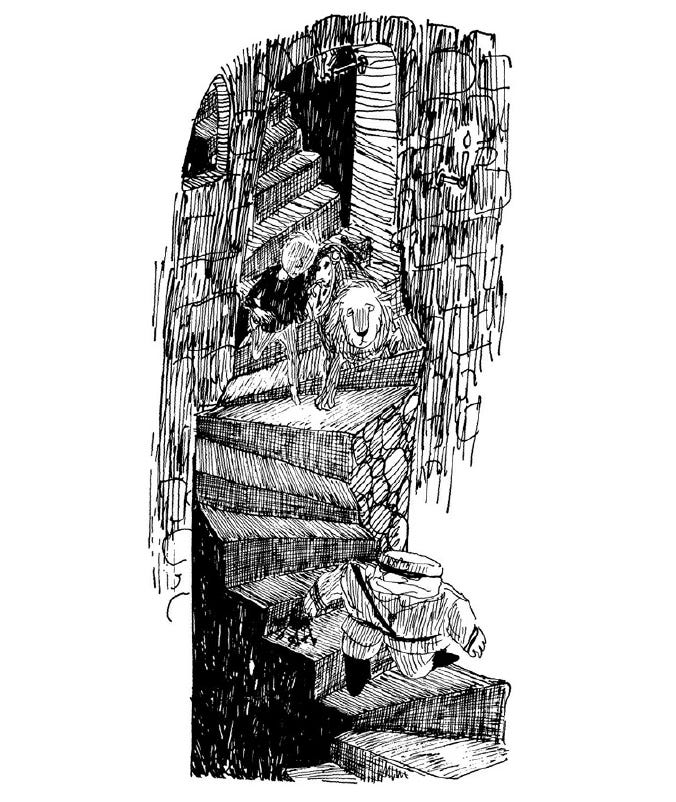
Yet The Phantom Tollbooth by Norton Juster stands out for its practical financial insights—its true value lies in revealing how our thinking shapes decisions.
Like Alice in Wonderland or The Little Prince, this beloved fantasy is actually a philosophical work in disguise. And its central themes—curiosity over complacency, humility over overconfidence, careful thinking over snap judgments—happen to be exactly what separates successful long-term investors from those who struggle.
The story follows Milo, a young boy who finds life pointless and boring. “Nothing is worth doing,” he thinks, trudging through his days with zero interest in anything. Then a mysterious package arrives, containing a tollbooth that transports him to a fantastical world built entirely from ideas.
There, Milo discovers what he’d been missing all along: learning matters, thinking matters, and not knowing is actually the beginning of wisdom.

For investors navigating a world of uncertainty, noise, and overconfidence, these insights aren’t just charming - they’re genuinely useful.
Curiosity: The Antidote to Stagnation
At the story’s start, Milo represents something many adults recognize: someone going through the motions, feeling trapped by routine, blind to the richness around them.
The tollbooth is a metaphor for opening your mind. Once Milo steps through, everything changes - not because the world becomes simpler, but because he becomes genuinely interested in understanding it.
This mirrors a crucial truth about investing: you cannot understand markets - or your own needs - without curiosity.
Curious investors:
Ask better questions before making decisions.
Recognize what they don’t understand.
Avoid blindly following trends.
Stay humble rather than overconfident.
Keep learning instead of assuming they’ve figured everything out.
Think about the investors who got caught in every bubble from dot-com to crypto. Many weren’t curious about how the underlying assets actually worked—they just saw prices rising and jumped in. Milo’s transformation from passive observer to engaged learner shows why genuine interest matters more than chasing excitement.
When you’re genuinely curious, you engage with complexity rather than ignoring it. You ask, “How does this actually work?” instead of “How fast can I make money?”
Humility: Recognizing What You Don’t Know
One of the book’s central messages aligns perfectly with smart investing: you must recognize the limits of your own knowledge.
Throughout Milo’s journey, he encounters characters who believe they already know everything—and therefore learn nothing. In the Mountains of Ignorance, inhabitants live in darkness precisely because they refuse to question themselves. It’s a perfect metaphor for intellectual arrogance.
A striking moment comes when Milo learns that “What you can do is often simply what you haven’t tried yet.”
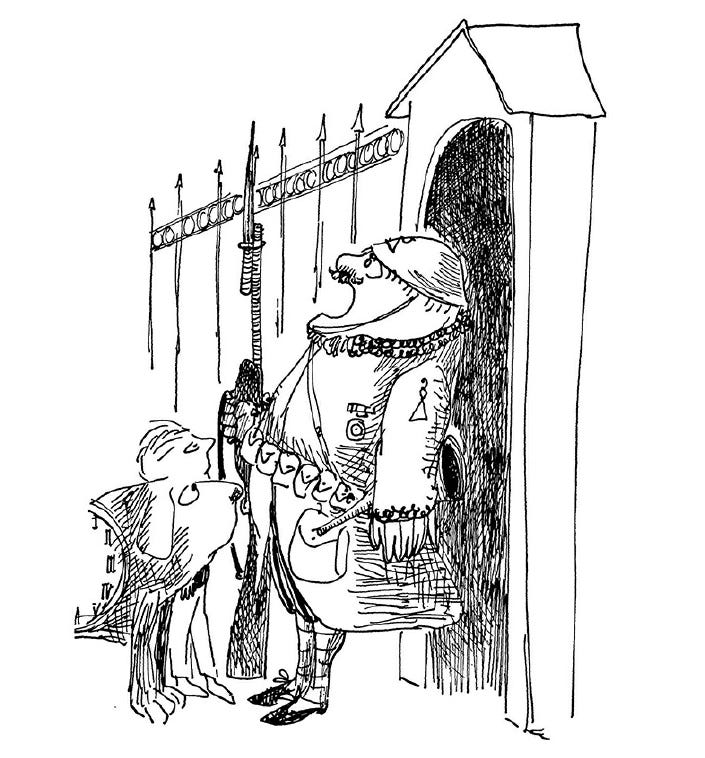
This is humility in action: accepting that your current understanding might be incomplete.
Why this matters in investing
Overconfidence is one of the most documented behavioral risks in finance. Research consistently shows it leads to:
Excessive trading (which erodes returns through fees)
Chasing performance trends
Ignoring genuine risks
Misjudging probabilities
Poor portfolio allocation
Recognizing that you “don’t know everything” creates healthier habits:
Proper diversification across different assets
Long-term thinking instead of market timing
Respect for uncertainty and unexpected events
Appropriate risk management
The best investors aren’t the ones who claim to predict the future—they’re the ones who acknowledge they can’t, and plan accordingly.
Humility doesn’t make you timid; it makes you thoughtful. And in investing, thoughtfulness consistently beats bravado.
The Island of Conclusions: Why Snap Judgments Trap You
One of the book’s most memorable episodes perfectly captures investor psychology.
Milo visits the Island of Conclusions—which you reach by “jumping.” It’s easy to get there, he discovers, but incredibly hard to leave. It’s a brilliant metaphor for hasty decisions.
Sound familiar? How many times have you heard (or thought):
“This stock can only go up.”
“This time is different.”
“Everyone else is buying, so it must be safe.”
“I need to act NOW or miss out.”
These are all examples of jumping to conclusions - reaching judgments without careful analysis. And just like in the story, once you’re on that island, getting back to clear thinking becomes surprisingly difficult.
You’ve committed money, perhaps told others about your brilliant move, maybe even built an emotional attachment to being “right.” Reversing course feels painful, so people often stay trapped in poor decisions far too long.
Good investing emphasizes suitability, clarity, and informed decision-making. Exactly the opposite of jumping to conclusions.
The lesson? When you feel the urge to act quickly, that’s usually the moment to slow down and think carefully.
Words and Numbers: Why You Need Both
Milo’s adventure takes him through two kingdoms: Dictionopolis (the city of words) and Digitopolis (the city of numbers). He learns that both language and mathematics matter—but neither alone is sufficient.
This duality captures something essential about investment thinking:
Words represent narratives, company stories, economic headlines, and the “why” behind market movements.
Numbers represent valuations, cash flows, risks, statistical outcomes—the “what” of financial reality.
Investors who rely only on stories get swept up in excitement without understanding fundamentals. Those who rely only on numbers miss crucial context about how businesses and economies actually work.
The best approach balances both: understanding the narrative and checking whether the numbers support it.
As the book reminds us: “So many things are possible just as long as you don’t know they’re impossible.”
Humility allows you to explore the unknown from multiple angles - quantitative and qualitative, data and intuition, analysis and common sense.
Facing Your Inner Demons: The Real Obstacles to Good Decisions
As Milo nears his quest’s end, he faces various demons: the Demon of Insincerity, the Terrible Trivium, and the Senses Taker. These creatures represent mental traps that prevent clear thinking.
For investors, these demons have familiar names:
Fear → Panic selling at market bottoms
Overactivity → Needless trading that erodes returns
Loss aversion → Holding losing positions too long, hoping they’ll recover
Distraction → Confusing market noise with meaningful signals
Laziness → Relying on tips and headlines instead of genuine analysis
The Senses Taker is particularly brilliant - he paralyzes victims by overwhelming them with irrelevant questions. Anyone who’s tried to make investment decisions while drowning in financial news, social media hot takes, and contradictory expert opinions will recognize this demon immediately.

Juster’s underlying message: the biggest obstacles to good decisions live inside us, not outside.
Markets don’t need to defeat you - your own psychology can do that just fine. Recognizing these inner obstacles is the first step to overcoming them.
The Return Home: Learning to See Differently
At the story’s end, Milo returns to his ordinary world. But the world hasn’t changed - he has.
He now sees meaning where he previously saw boredom. He recognizes the possibility where he once saw only routine. His outer circumstances remain the same, but his inner perspective has changed.
This mirrors an investor’s journey from inexperience to maturity. Markets don’t become more predictable - but you can become wiser, calmer, and more self-aware.
The book’s central insight is clear: financial success comes not from market prediction, but from self-mastery in decision-making and behavior.
The book’s final message encourages ongoing growth: “There’s so much to do…so much to learn.”
This mindset - perpetual curiosity rather than assumed expertise - is the real secret to long-term investment success.
What This Means for Your Investing Approach
Here’s how the book’s wisdom translates into practical guidance:
1. Stay intellectually humble
Financial markets are inherently uncertain. No one can predict them reliably. Recognizing your limitations helps you avoid reckless decisions and build more resilient portfolios.
2. Keep learning continuously
Milo discovers that understanding grows with curiosity. Similarly, investors benefit from reading, reflecting, and updating their views in light of new information - without abandoning their core principles.
3. Watch for behavioral traps
From jumping to conclusions to getting paralyzed by information overload, the book identifies patterns that behavioral finance research confirms: our own psychology often works against us.
4. Avoid overconfidence
Many investment problems arise not from lack of intelligence, but from believing we know more than we do. The investors who admit uncertainty often make better decisions than those who claim certainty.
5. Think long-term
The book repeatedly stresses patience, persistence, and perspective—exactly what separates successful investors from those constantly chasing the latest trend.
6. Balance analysis with context
Use both numbers and narratives. Understand the data and the story. Neither alone gives you the full picture.
Two Quotes That Capture the Investment Wisdom
“You must never feel bad about making mistakes…as long as you learn from them.”
Every investor makes mistakes. Market downturns happen. Unexpected events occur. What matters isn’t avoiding mistakes entirely (impossible) but learning from them and adjusting accordingly. This quote offers permission to be imperfect while still striving to improve.
“Many of the things which can never be, often are.”
Markets surprise us constantly—in both directions. Assets that “can’t possibly fall” sometimes collapse. Investments that seem too risky sometimes thrive. This quote reminds us that humility and openness to surprise are essential qualities for navigating uncertainty.
Final Thoughts: Children’s Fantasy, Adult Wisdom
The Phantom Tollbooth is playful, imaginative, and charming. But beneath the fantasy lies profound philosophical insight: wisdom begins with admitting you don’t know everything.
For investors, this lesson is precious.
Humility keeps portfolios balanced. It protects against behavioral pitfalls like overconfidence and overtrading. It encourages long-term thinking over short-term gambling. It helps you distinguish between genuine knowledge and comforting illusions.
Milo’s journey mirrors our own: moving from confusion to awareness, from routine to curiosity, from overconfidence to openness.
The book reminds us that the world - like financial markets - is full of unknowns. Our task isn’t to predict everything but to keep learning, stay humble, and think clearly.
Not a bad investment philosophy from a book about a bored kid and a magical tollbooth.
And perhaps that’s the final lesson: wisdom appears in unexpected places, if you’re curious enough to look for it.
If you enjoyed this, explore more articles and ideas on my blog here.
Disclaimer
The views and opinions expressed on this website are for educational and informational purposes only, and should not be considered as investment advice. The author may hold positions in the stocks mentioned on this website. The author of this website is not a licensed stockbroker or financial advisor. Nothing contained herein should be construed as a recommendation to buy, hold, or sell any securities or financial products. Always seek the advice of a financial advisor and do your own independent research before making any trade or investment decisions.
We do not guarantee the accuracy or completeness of any information on this website. Such information is provided “as is” without warranty or condition of any kind, either express or implied. Past performance may not be indicative of future results. This website could include inaccuracies or typographical errors.
We are not liable or responsible for any damages incurred whatsoever from actions taken from information provided on this website, including financial losses. Since all readers who access any information on this website are doing so voluntarily and of their own accord, any outcome of such access is understood to be their sole responsibility. In no event shall we be liable to any person for any decision made or action taken in reliance upon the information provided herein.