


Some books entertain us. Others teach us. And then there are the rare stories—usually simple, often short—that stay with us for a lifetime. Charles Dickens’s A Christmas Carol belongs firmly to the third category.
First published in 1843, this “ghost story of Christmas” delivers enduring lessons about money, values, and humanity. While set in Victorian England, its core questions and insights are immediately relevant for today’s investors, who continually face dilemmas about what matters and how to define a prosperous life.
What truly matters? What is enough? And how do we define a prosperous life?
A Christmas Carol is especially applicable in today’s world, where financial uncertainty and pressure for more - more return, more wealth, more success - are common. The story’s questions about purpose and prosperity cut through this complexity with clarity.
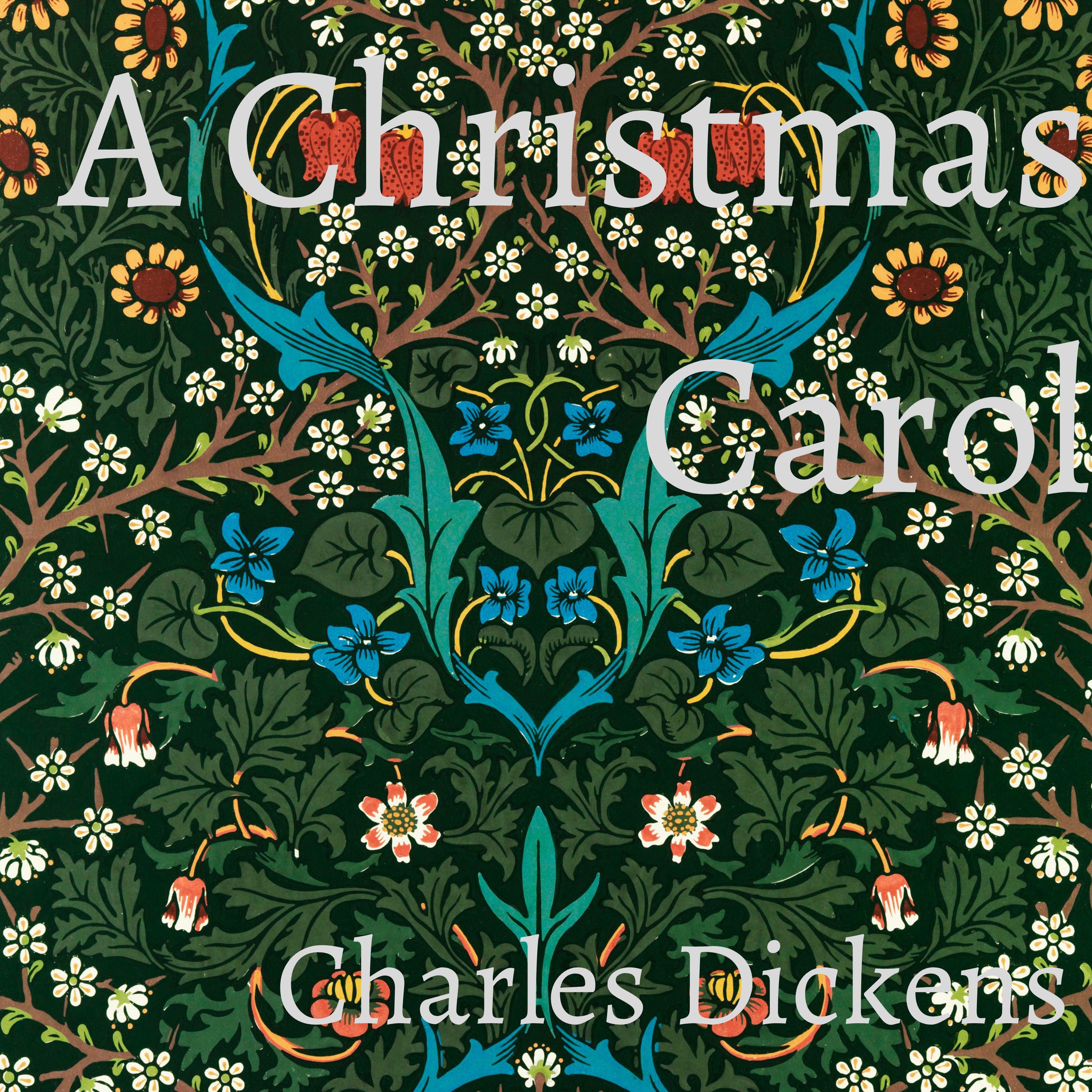
For those seeking clear guidance on aligning financial choices with a well-lived life, Dickens reminds us: true prosperity means money with meaning.
A Story About a Miser... but Also About All of Us
The plot is familiar: Ebenezer Scrooge, the archetypal miser, values money above all else. He works constantly, spends little, gives nothing, and avoids human connection at all costs. His world is cold because he is cold - emotionally isolated, suspicious, and closed to joy.
Then, on Christmas Eve, he’s confronted by three spirits who reveal what shaped his past, how he behaves in the present, and what future awaits him if he doesn’t change.
This transformation - from cold isolation to warm generosity - isn’t simply a moral tale. It reflects one of the most powerful insights in behavioral research: wealth alone does not create happiness, but relationships do.
Dickens understood this long before psychologists studied it. His message is now supported by some of the most significant empirical findings of the past century.
What Research Reveals About Money and Meaning
Study #1: What Older People Advise the Young—It’s Never “Make More Money”
A well-known longitudinal study in human development interviewed hundreds of elderly individuals about the biggest lessons of their lives. Participants were asked a simple question: “What advice would you give young people about how to live well?”
Remarkably, almost none of the respondents mentioned money, investing, or financial success. Instead, their answers focused overwhelmingly on maintaining strong relationships, spending time with loved ones, resolving conflicts quickly, and nurturing the connections that give life meaning.
Their message aligns perfectly with Dickens’s depiction of Scrooge’s journey: wealth without human connection is empty. Even the wealthiest character in the story feels emotionally impoverished until he learns to value people over profit.
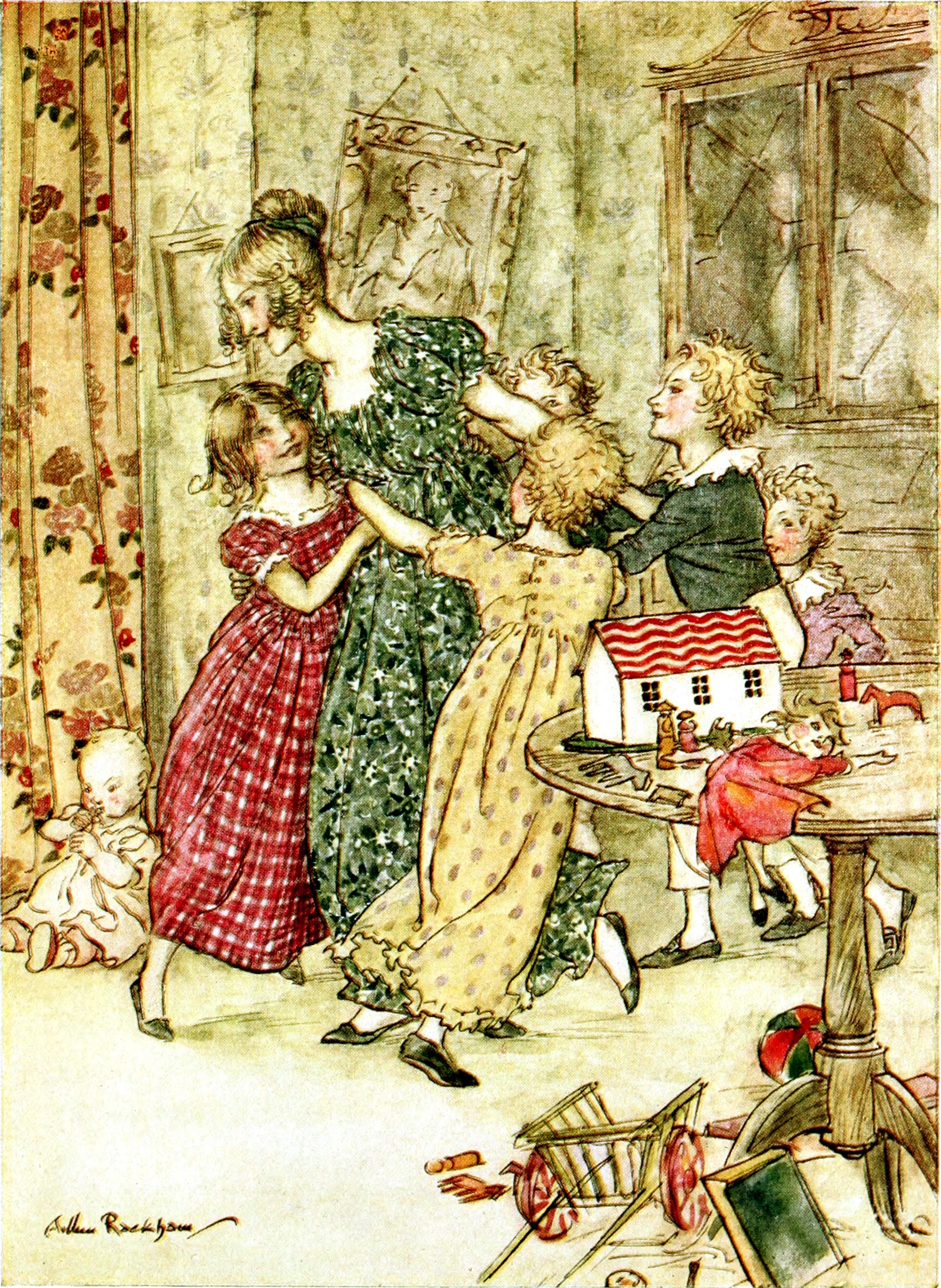
As investors - and as human beings - this insight matters. It reminds us that financial goals should serve a life well-lived rather than replace it. A well-constructed portfolio can support freedom, security, and opportunity, but it cannot substitute for friendship, family, or a sense of belonging.
The elderly respondents echoed what Dickens told us through Scrooge’s transformation: prosperity without connection is a form of poverty.
Study #2: The Income-Happiness Curve—Money Helps, But Only to a Point
Another influential study in happiness research examined how income relates to life satisfaction. The results were both intuitive and revealing:
Below a certain threshold, additional income strongly increases happiness. This makes sense - if you cannot afford food, housing, heating, or healthcare, more money dramatically improves your well-being.
Above that threshold, however, the relationship flattens. Beyond a certain level of security, more income generates little or no increase in life satisfaction.
In other words, money removes misery, but it does not create happiness.
This pattern mirrors Scrooge’s life: he pursues wealth long after his needs are met, sacrificing relationships and happiness for gains that, ultimately, bring no fulfillment. His growing wealth coincides with a shrinking, lonely world. A powerful lesson in misplaced priorities.
Dickens wasn’t criticizing wealth itself. He was challenging the idea that wealth alone is enough.
Modern research confirms it: once basic security is achieved, the factors that truly drive happiness are emotional rather than financial: relationships, purpose, health, and generosity. Scrooge discovers this truth on Christmas morning. Many investors discover it much later than they’d wish.
A Christmas Classic for Modern Investors
If you’re searching for Christmas book recommendations, books about money and happiness, or lessons investors can learn from classic literature, A Christmas Carol sits at the perfect intersection of storytelling and timeless wisdom.
It’s a short read with long-lasting impact - an ideal seasonal companion for anyone reflecting on goals, values, and the year ahead.
A Timeless Message, Especially Today
As we approach the end of the year, we often think about resolutions, financial planning, portfolio adjustments, and future goals. Dickens gently redirects our attention to something even more foundational:
A prosperous life is built not only on financial security but also on kindness, empathy, and meaningful relationships.
Today - December 23rd, just one day before Christmas - this message feels especially relevant. This is a season for giving, reflecting, and reconnecting, not only with others but with our deeper priorities.
Dickens’s core message for investors: wealth can support happiness, but only humanity creates it.
Wishing You a Wonderful Holiday Season
Thank you for reading this special Christmas book recommendation. Whether you’re reviewing your portfolio, planning for the future, or simply enjoying the festive season, I hope Dickens’s story inspires you to balance financial goals with the things that matter most.
Wishing all my readers a Merry Christmas and a very Happy New Year! 🎄✨
If you enjoyed this, explore more articles and ideas on my blog here.
Disclaimer
The views and opinions expressed on this website are for educational and informational purposes only, and should not be considered as investment advice. The author may hold positions in the stocks mentioned on this website. The author of this website is not a licensed stockbroker or financial advisor. Nothing contained herein should be construed as a recommendation to buy, hold, or sell any securities or financial products. Always seek the advice of a financial advisor and do your own independent research before making any trade or investment decisions.
We do not guarantee the accuracy or completeness of any information on this website. Such information is provided “as is” without warranty or condition of any kind, either express or implied. Past performance may not be indicative of future results. This website could include inaccuracies or typographical errors.
We are not liable or responsible for any damages incurred whatsoever from actions taken from information provided on this website, including financial losses. Since all readers who access any information on this website are doing so voluntarily and of their own accord, any outcome of such access is understood to be their sole responsibility. In no event shall we be liable to any person for any decision made or action taken in reliance upon the information provided herein.